Loading
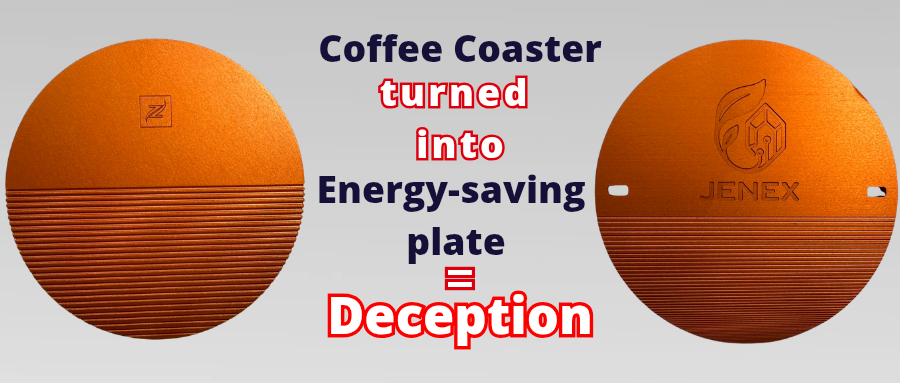
Who is taking Nestle Nespresso’s design and packaging it as an “energy-saving miracle,” selling it to consumers on both sides of the Taiwan Strait?
If consumers had not personally compared the products, conducted their own research, and traced the supply chain all the way to the shipping source, they would likely believe forever that the product known as the so-called “energy-saving plate” is somehow connected to Nestlé or Nespresso.
And this is precisely where the problem is most serious—and most impossible to ignore.
This is not a case of similar inspiration. This is a case of “design being directly taken and reused.”
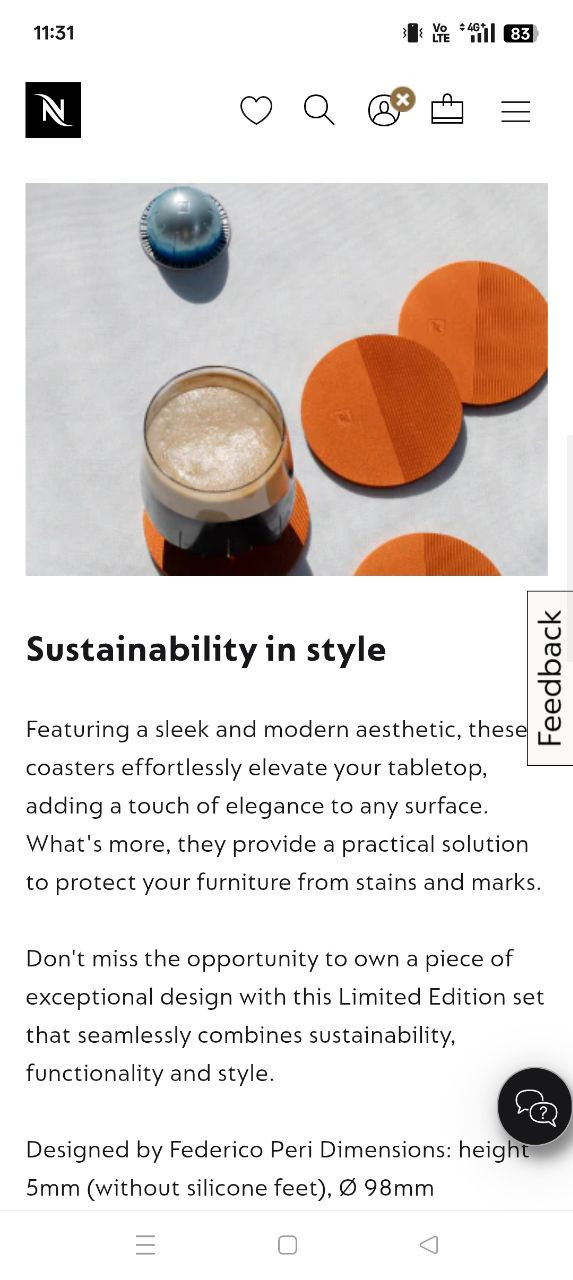
The so-called “energy-saving plate” currently circulating in the market bear a striking resemblance to the Barista series coffee coasters under the Nespresso brand. These coffee coasters were designed by renowned Italian designer Federico Peri and constitute a highly original and clearly identifiable design work.
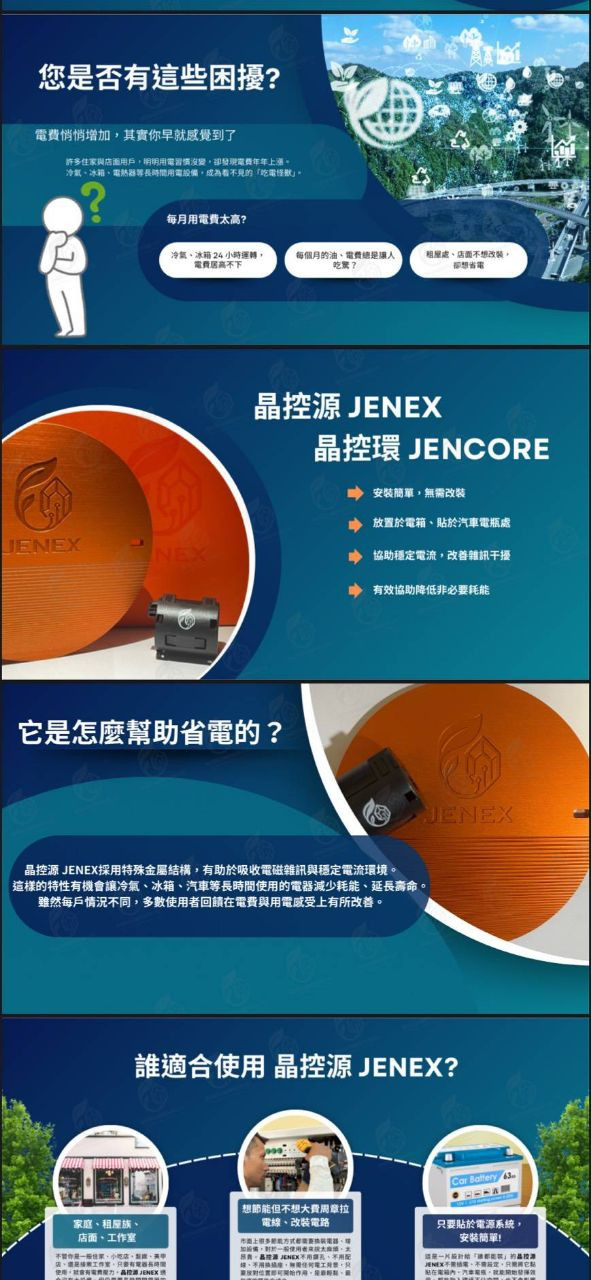
Yet now, this very design has been renamed, repurposed, and given an entirely new narrative—transformed from a “coffee coaster” into a product claimed to “save energy, reduce electricity consumption, and improve electrical current.”
When a product’s credibility comes from the fact that it “looks like an international brand,”then what it is selling is not technology, but illusion.
Naming and exposing: which companies are selling these highly controversial products?
At present, several e-commerce platforms on both sides of the Taiwan Strait continue to allow companies of highly questionable integrity to sell products that are strongly suspected of design imitation and functional misrepresentation:
榕珵科技國際有限公司
Rong Cheng Technology International CO., LTD.
Uniform Business Number: 45155252
Registered Legal Representative: 郭躍桉 GUO, YUE-AN
Actual Responsible Person: 郭沁瑜 GUO, QIN-YU
Address:12 F., No. 221, Sec. 4, Zhongxiao E. Rd.,Da’an Dist., Taipei City 106448, Taiwan (R.O.C.) (based on consumer-collected information)
Who decided to take an object that so closely resembles the design of an international coffee brand and market it as an “energy-saving product” to the public?

① An open challenge to international designers and intellectual property rights
Federico Peri’s design is not public property.Any unauthorized reproduction or commercial use may, in international markets, expose the infringing party to extremely high civil damages and cross-border legal liability.
② A “parasitic injury” to the brand image of Nespresso / Nestlé
Even if Nestlé itself is a victim,the moment consumers mistakenly believe that such products “might be related to Nespresso,”brand trust has already been materially eroded.
This is one of the most egregious forms of free-riding.
③ Functional deception risks targeting consumers on both sides of the Taiwan Strait
If a product lacks any verifiable scientific basis for energy saving,yet is sold under claims such as “energy-saving” or “electricity-reducing,”this goes beyond marketing rhetoric and may constitute the core elements of consumer fraud.
Even more troubling: the silence of the platforms
When consumers can already clearly point out that:
•the design is highly similar,
•brand confusion is severe, and
•functional claims are highly controversial,
yet the product continues to be sold openly on these platforms—then the issue is no longer limited to a single company, but reflects an entire e-commerce ecosystem’s tacit tolerance of risk.




Why publicly name these companies?
Because if even the names are not spoken,the only ones who will continue to suffer are consumers.
Today, it is Nespresso’s design language being exploited.Tomorrow, it could be any international brand that you or I trust.
The market on both sides of the Taiwan Strait must not become a testing ground for the “legalization of imitation design” and the “normalization of pseudo-technology.”
This is not a coaster. And it is not energy-saving.
It is a mirror reflecting the conscience of the market.
Real technology does not need to look like a coffee coaster.Real energy efficiency does not need to borrow the face of an international brand.
If a product must rely on consumers mistakenly believing who it comes from, then the product itself has already revealed everything.
